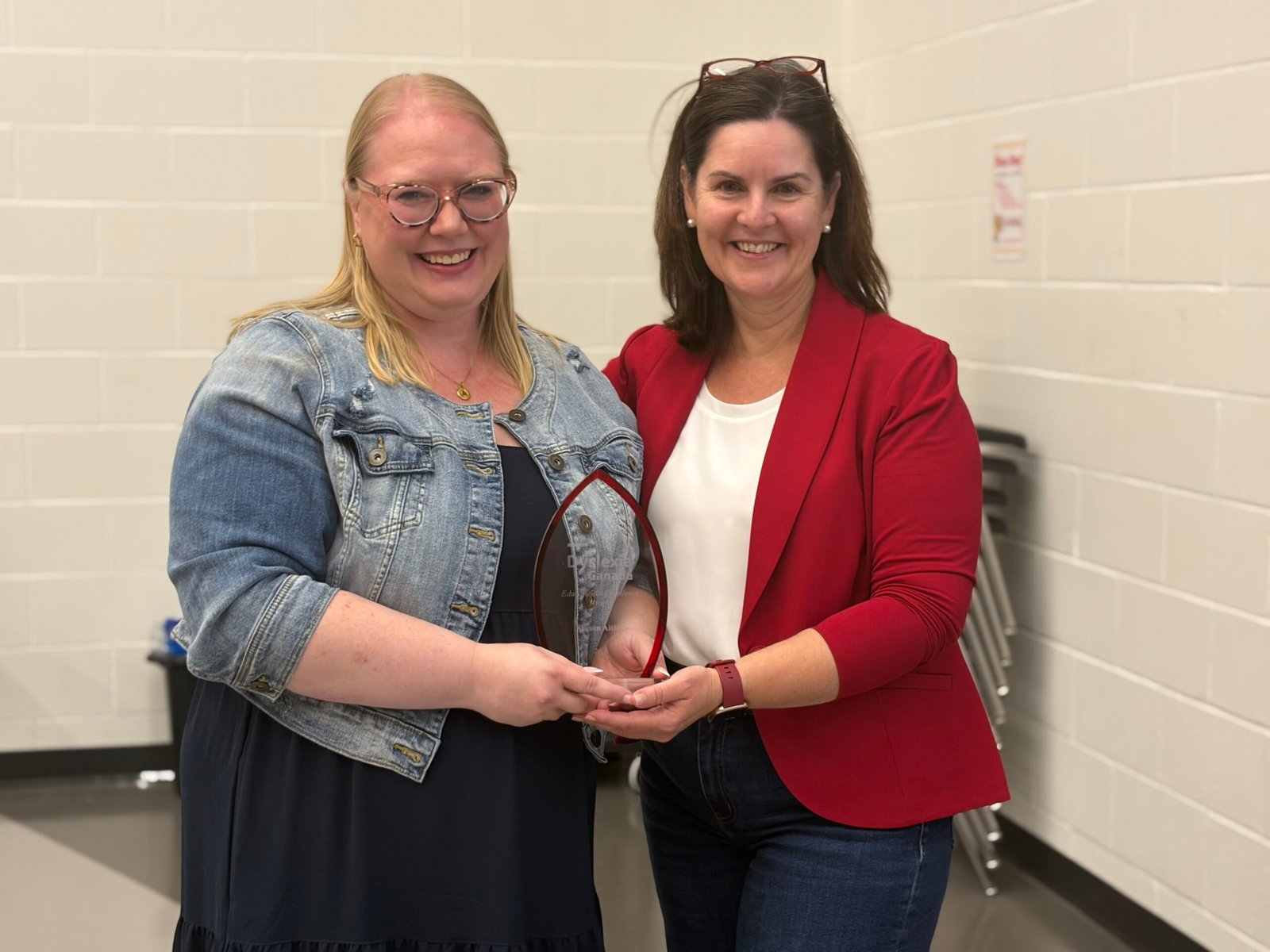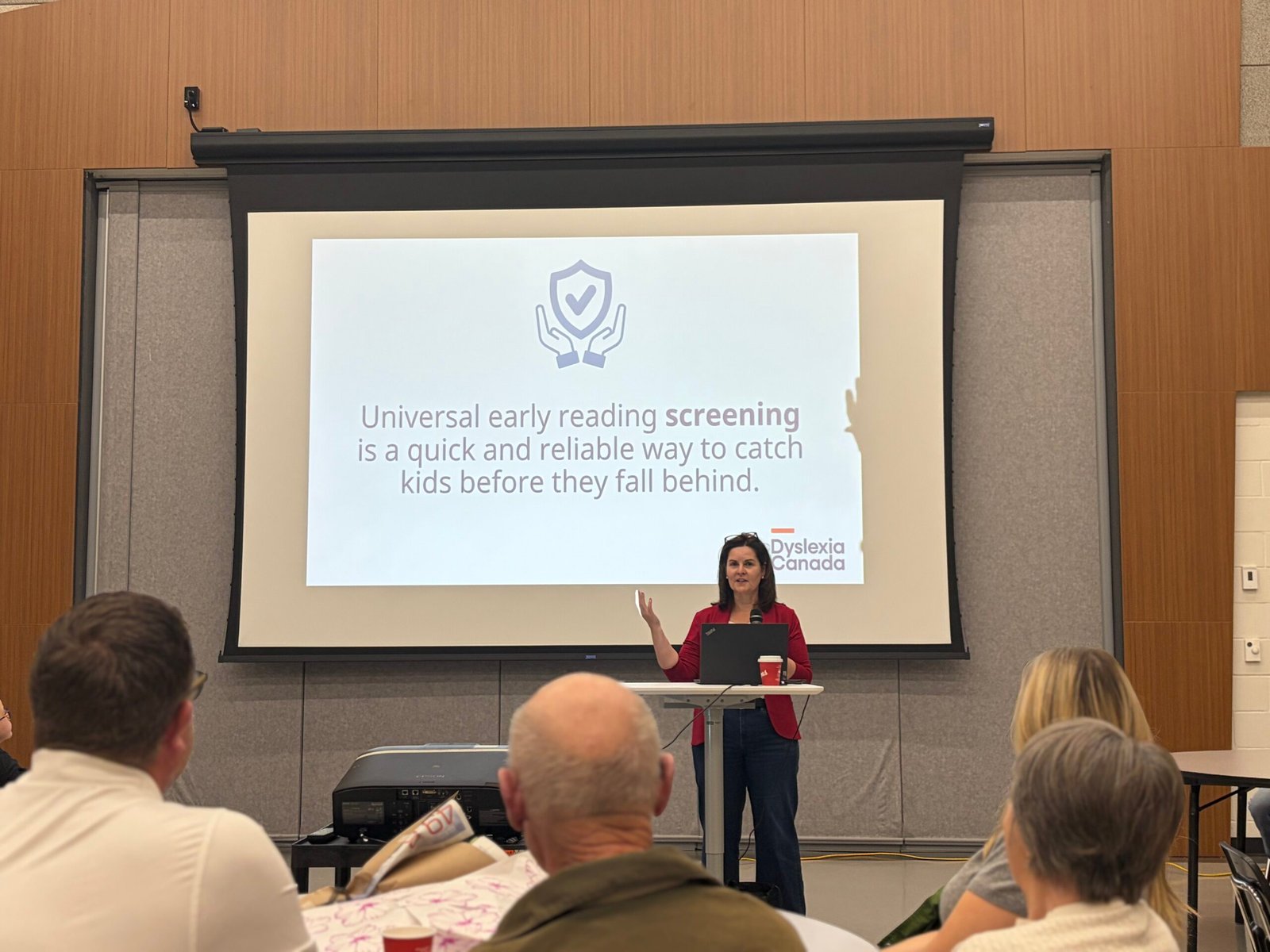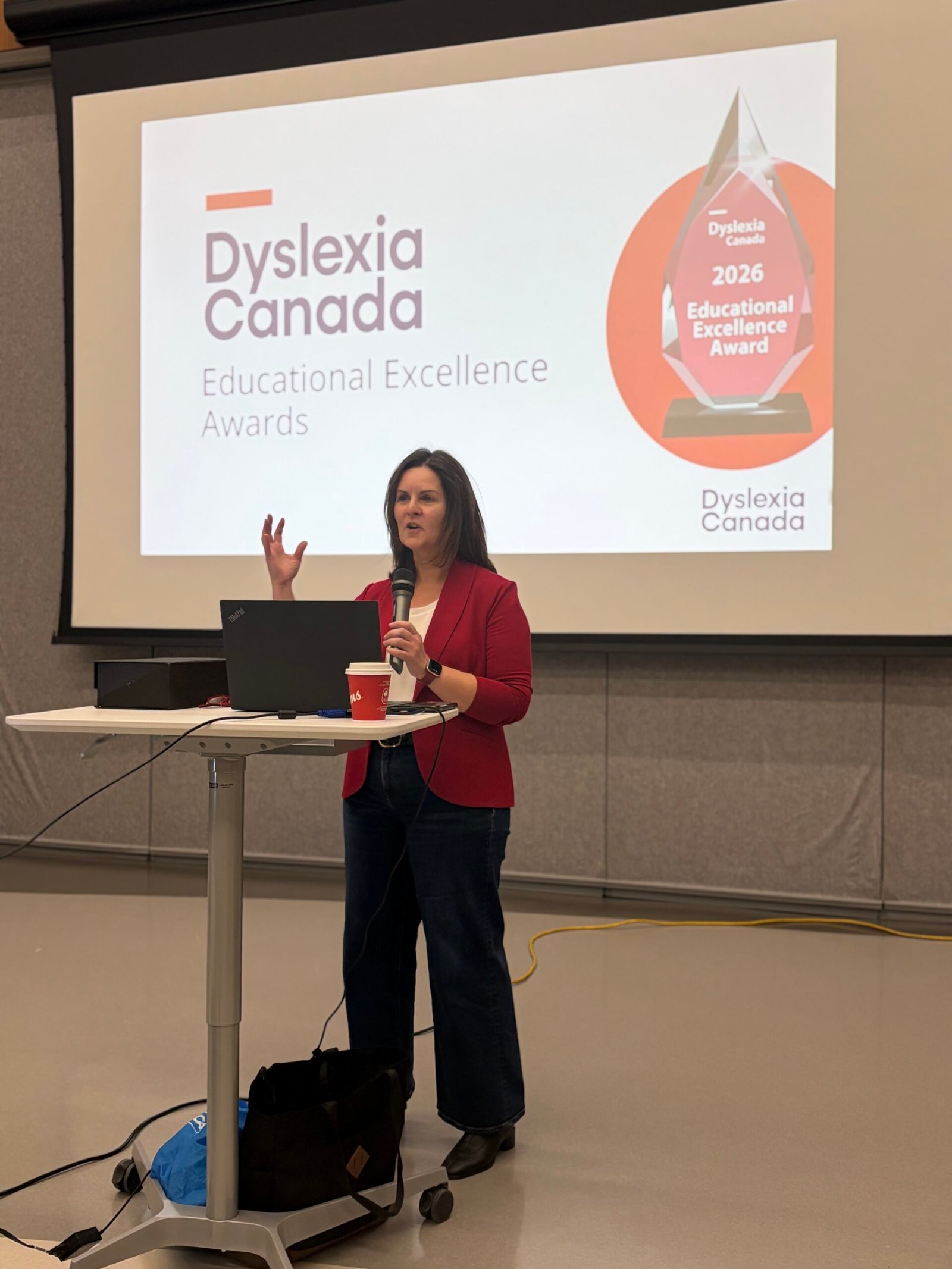
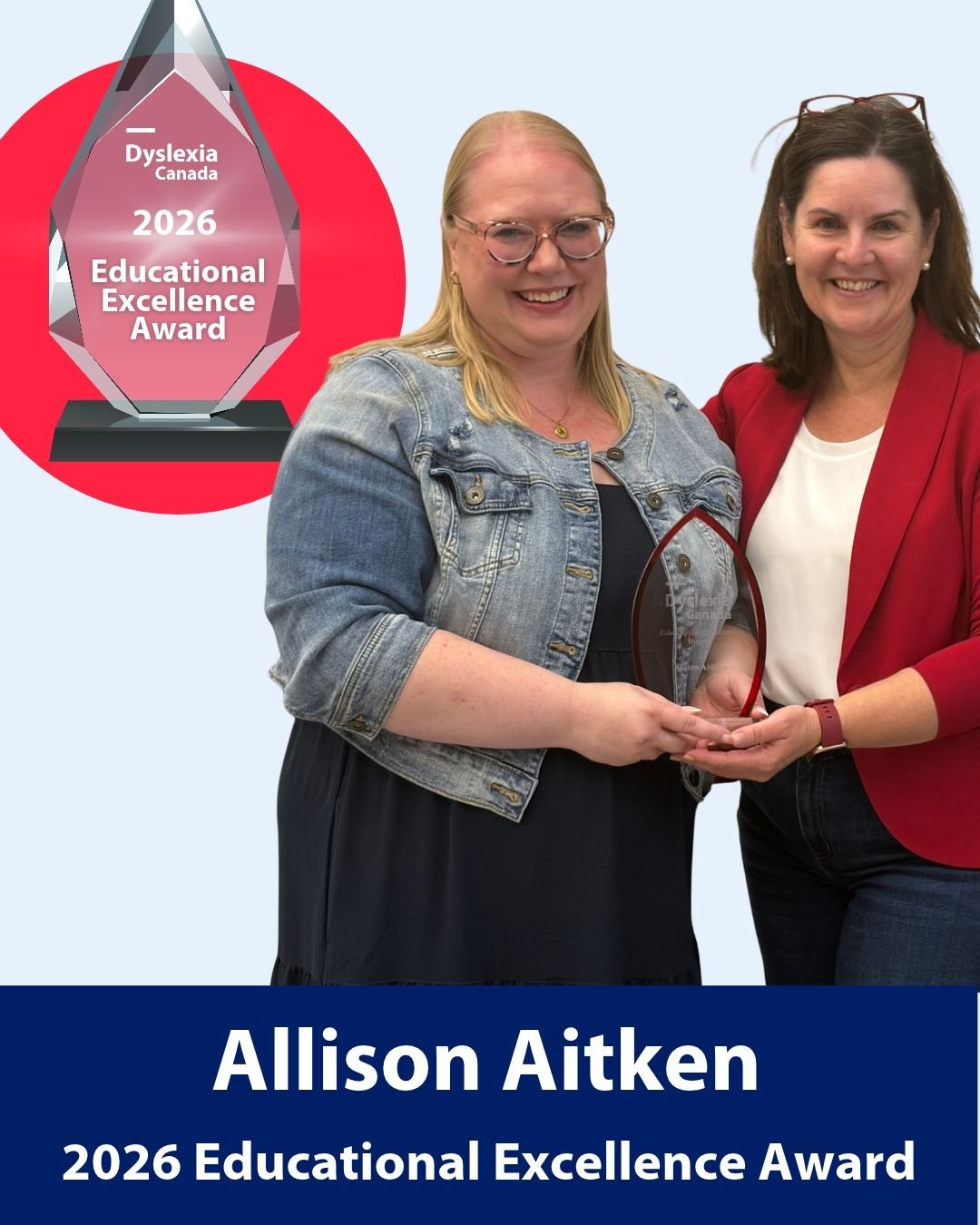
Each year, Dyslexia Canada’s Educational Excellence Awards recognize those making a meaningful difference in the lives of students with dyslexia. These awards celebrate educators who embrace evidence-based practices, prioritize early identification, and work to ensure that every student has the opportunity to learn to read.
2026 marks Dyslexia Canada’s milestone tenth anniversary, and it is an honour to celebrate with this year’s remarkable group of award winners from across Canada.
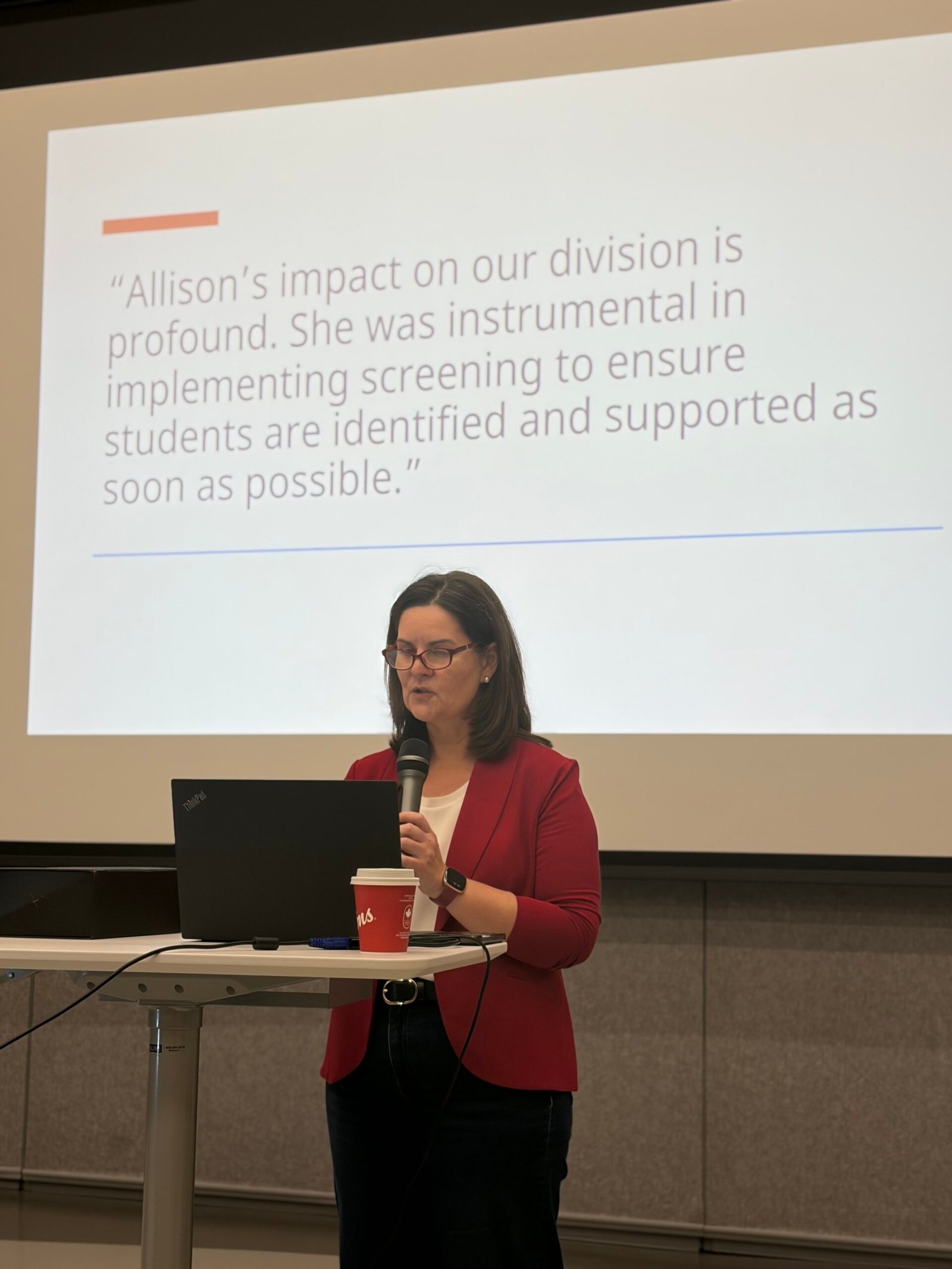
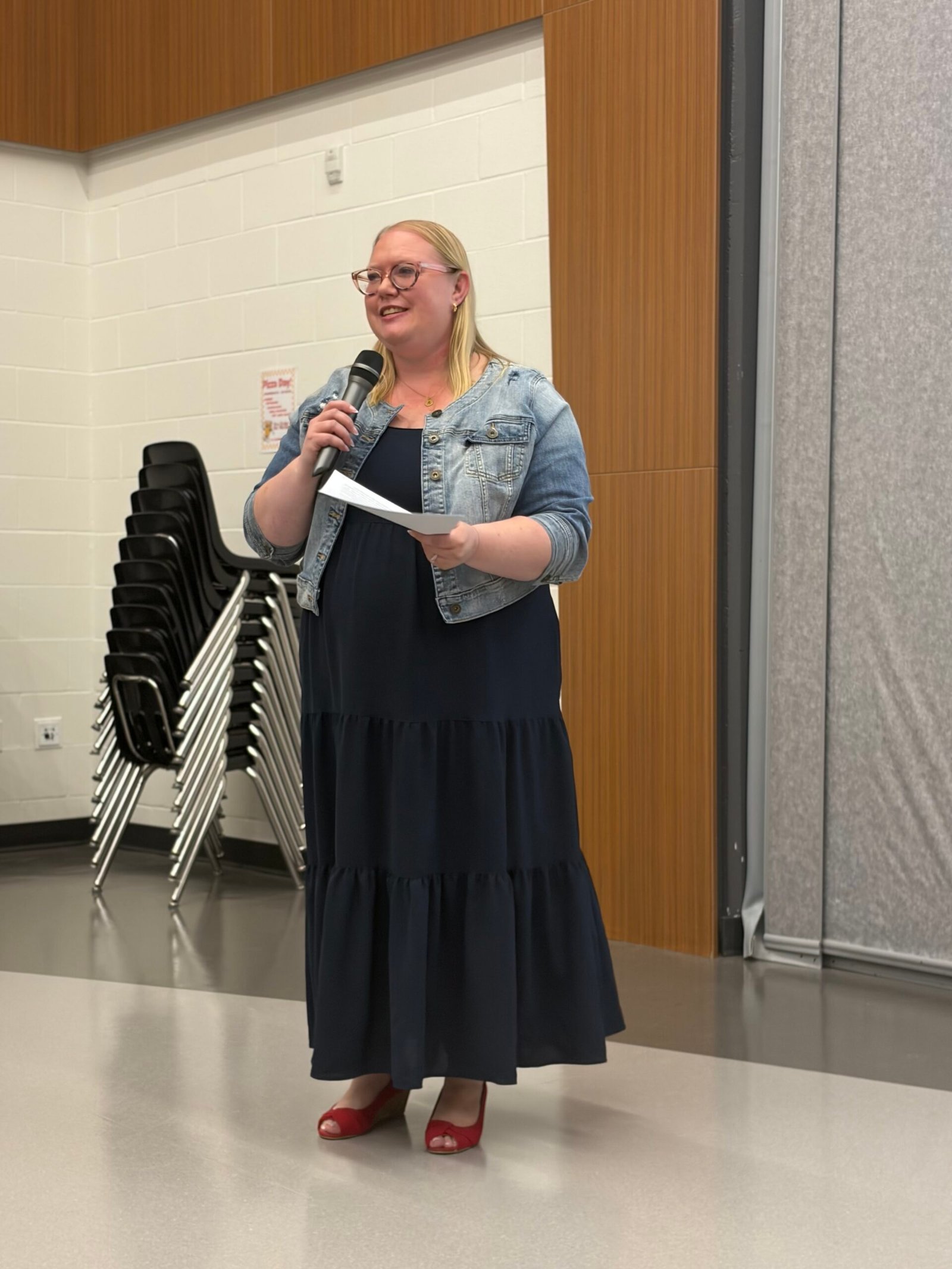
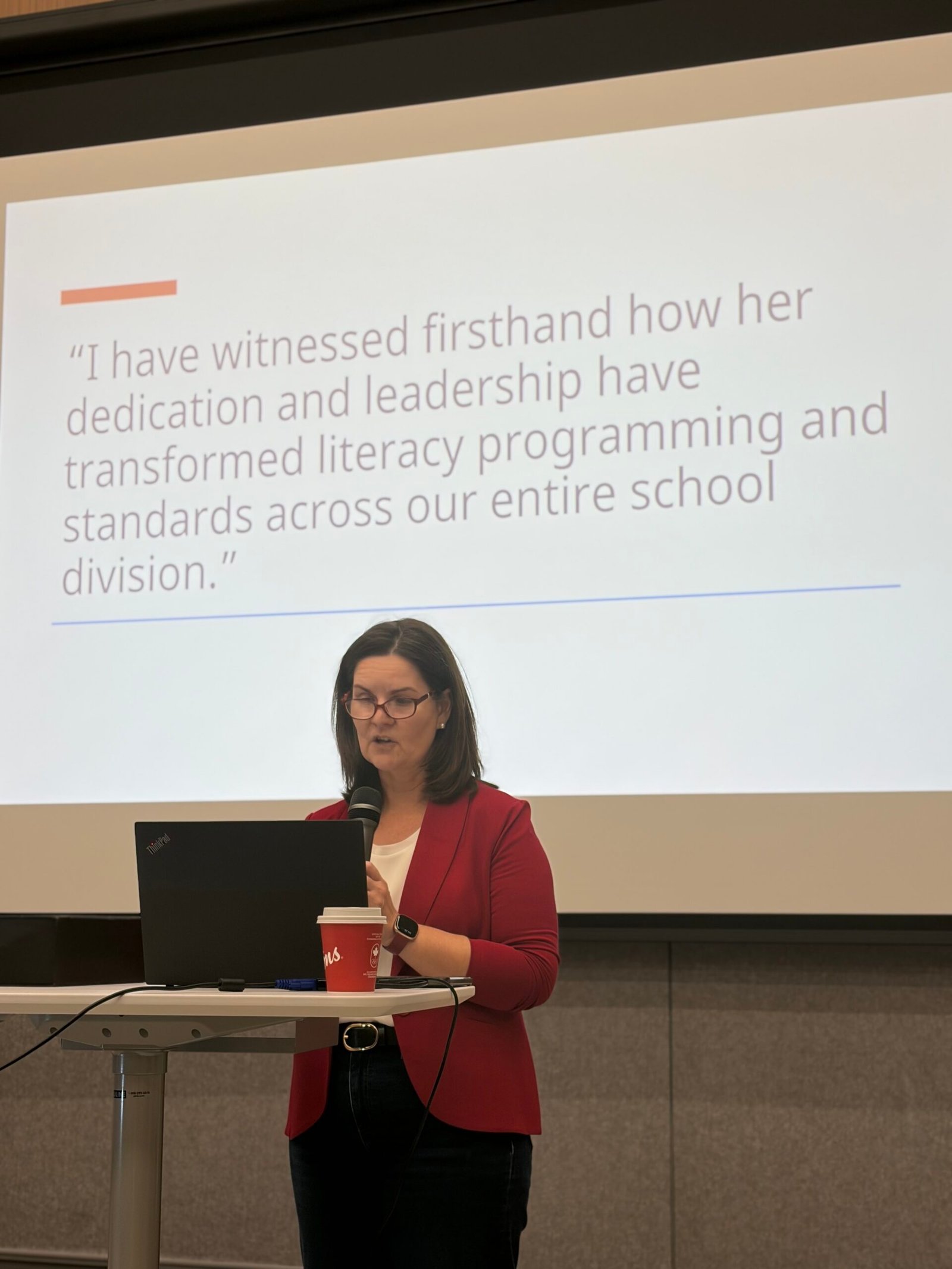
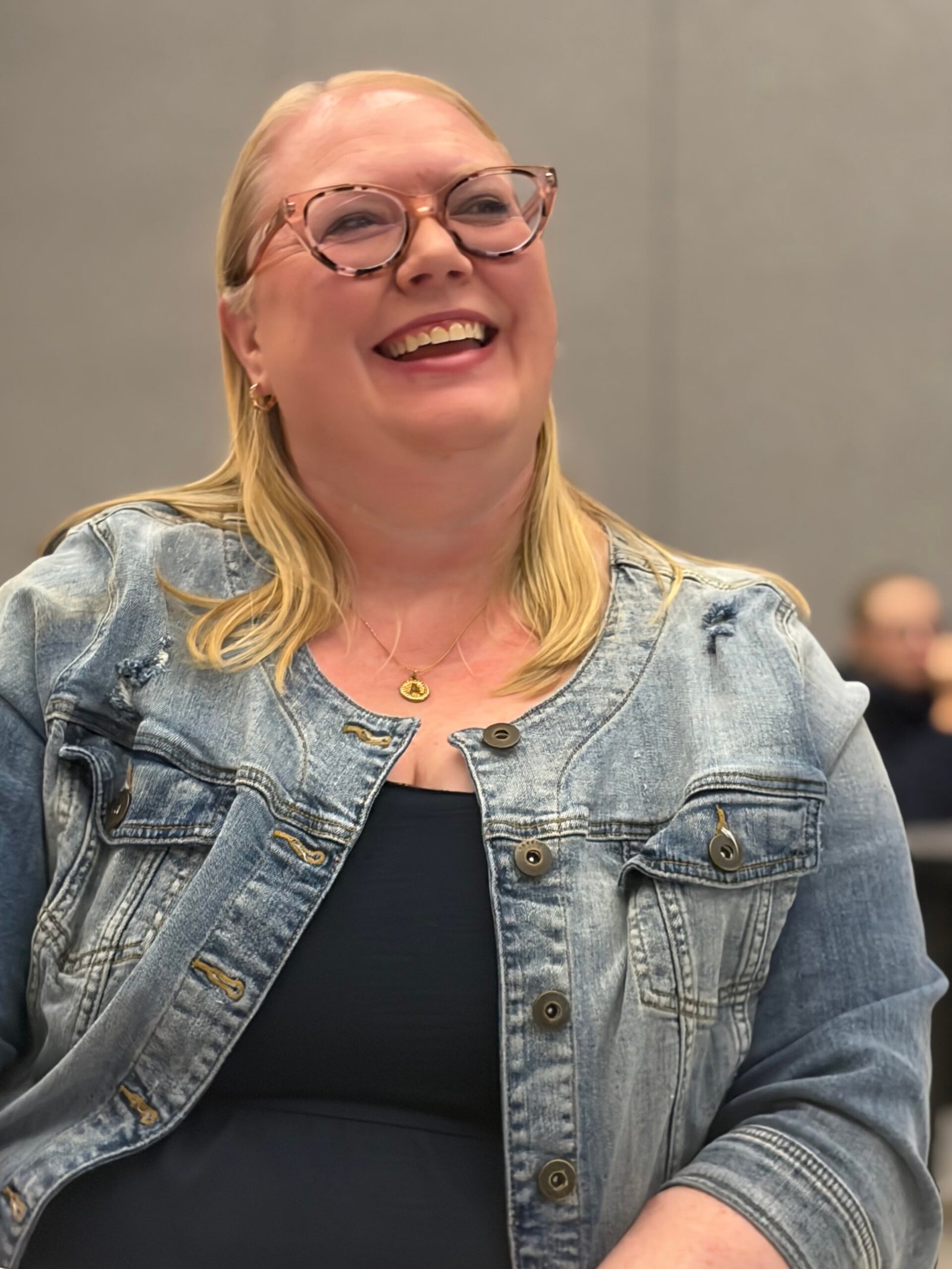
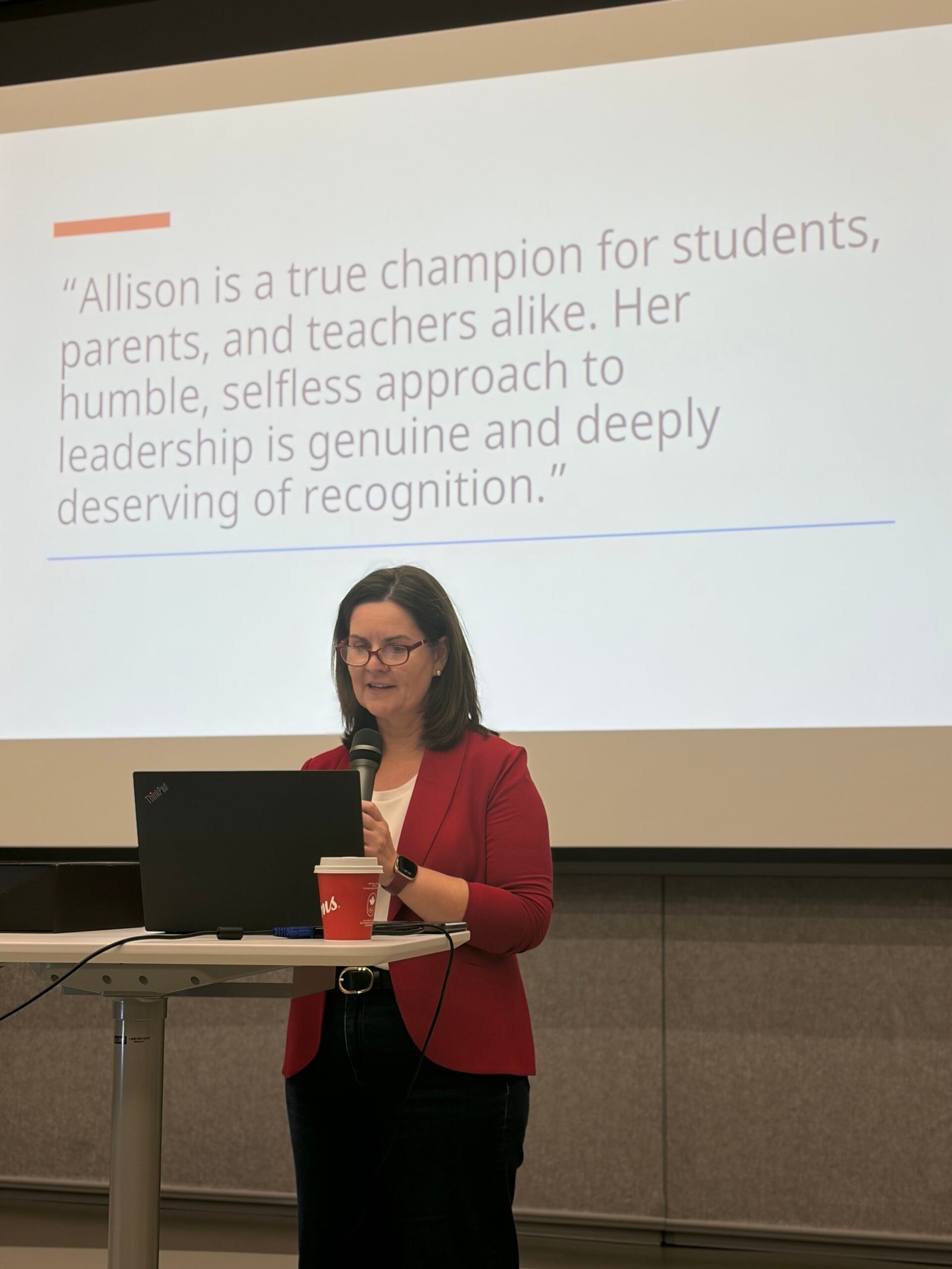
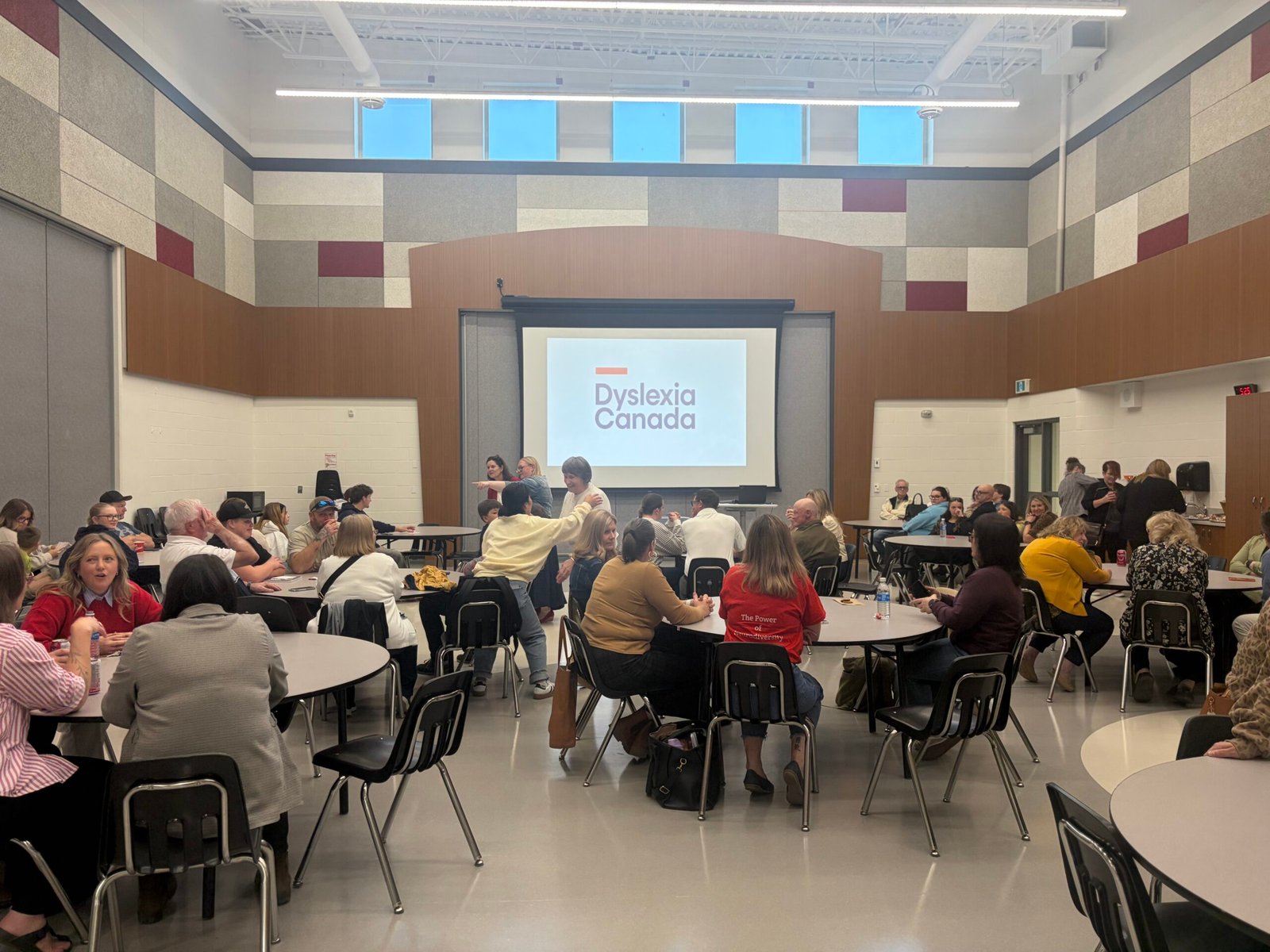
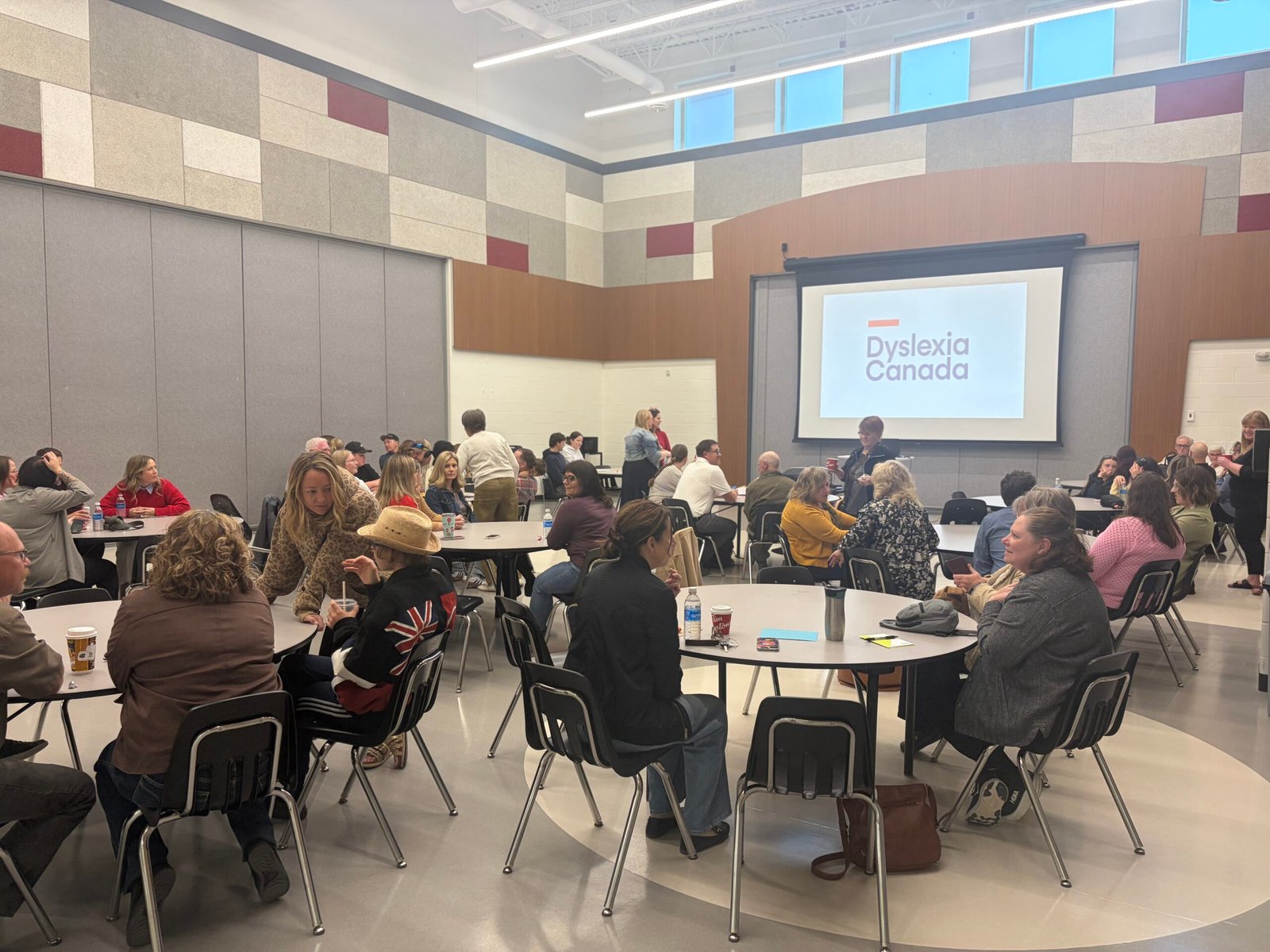
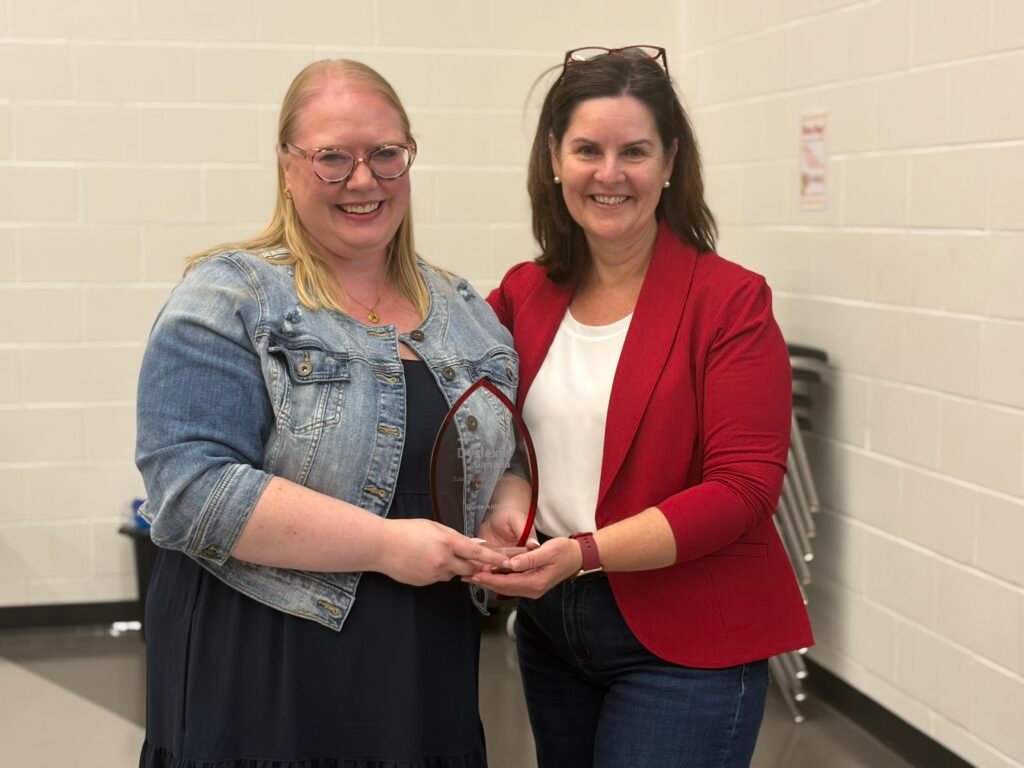
The love and appreciation for Allison Aitken were clear at her award celebration at Niverville High School. Friends, families and colleagues gathered to recognize her work, but it was the voices of three high school students that brought its impact into focus. Speaking from the heart, they shared how her teaching and support had changed their lives. Their words reflected what so many in her community know: Allison is someone who listens, understands and helps students see what they are capable of achieving.
A learning support teacher and reading clinician in Manitoba’s Hanover School Division, Allison has spent years strengthening literacy instruction and advocating for students with dyslexia. Today, she combines her work at Niverville High School with a divisional literacy leadership role, helping more educators provide effective instruction and intervention.
Her path began with one student. In 2010, a student in her classroom received a dyslexia diagnosis. Allison wanted to help, and when the child’s mother shared training videos from a reading program they were using outside of school, she was interested. Watching those videos, she realized there was a lot she didn’t know about teaching reading.
That realization prompted her to pursue a master’s degree in language and literacy and train as a reading clinician. She spent summers reading research, took additional courses and sought out professional learning. What began as a commitment to one child became a determination to make this knowledge available to other teachers and students.
Bringing that learning into schools took patience. Early conversations about changing instruction were sometimes met with resistance. Allison kept sharing what she was learning, and the progress of the students she taught helped others see the possibilities. Teachers began asking to attend her professional development sessions, to observe her instruction, and to seek opportunities to work alongside her.
Allison also understood that meeting students’ needs would require a team. She successfully advocated for three additional reading clinician positions in Hanover and has mentored educators training for those roles. Working with school psychologists and speech-language professionals, she helped establish Kindergarten screening to identify children who might need additional support. Her advocacy also helped bring structured literacy resources into elementary classrooms across the division.
Her efforts to share knowledge extend beyond Hanover. Through her leadership with the Manitoba Council for Reading Clinicians, professional development and monthly meetups with fellow literacy leaders Carrie Wood and Rosana Montebruno, Allison helps educators connect, exchange resources and learn together. She remembers what it felt like to want to help a student without knowing how, and works to ensure other teachers have somewhere to turn.
For Allison, collecting screening data is only the beginning. Teachers also need the knowledge and support to plan instruction, monitor progress and adjust when students are not learning. As she explained in her interview, “the most important work comes after the screening.”
While much of this work focuses on the early years, Allison has become an equally committed advocate for older students. Recognizing gaps in secondary support, she moved into high school work, bringing her expertise to students who had spent years struggling without the help they needed.
One of those students approached Allison in Grade 11 and asked for help. She arranged for him to be assessed by a school psychologist, and he was diagnosed with dyslexia. With a better understanding of himself, appropriate accommodations, and Allison’s ongoing support, he began to do better at school and gain confidence. This student has since become an advocate for others. Students now regularly arrive at Allison’s office, saying that he told them she could help. At the celebration, this student also received a Dyslexia Canada Student Achievement Award.
His experience illustrates why improvements in early screening and instruction must be accompanied by support for students already in middle and high school. Those who missed out on effective instruction when they were younger still need access to explicit reading intervention, appropriate accommodations and educators who understand their learning needs. Moving into higher grades does not make those needs disappear.
Allison’s students know her as someone who will take those needs seriously. She helps them understand their challenges, recognize their strengths and ask for the support they need. That combination of skilled teaching and personal connection was at the heart of the tributes shared at her celebration.
Through the team she has helped build and the knowledge she continues to share, Allison is making that support available to more students. Her hope for them is simple: that they can look back and say someone understood them and helped them move forward.
As Allison put it, “Kids just need a person.” For many students and families in her community, she has been that person.