

Hiring a tutor
If you’re thinking about hiring a tutor, it’s important to choose carefully. Not all tutors have the skills and experience needed to support students with dyslexia. It is very important to ask the right questions to ensure that you choose a tutor who can provide the best support for your child.
Questions to ask when hiring a tutor:
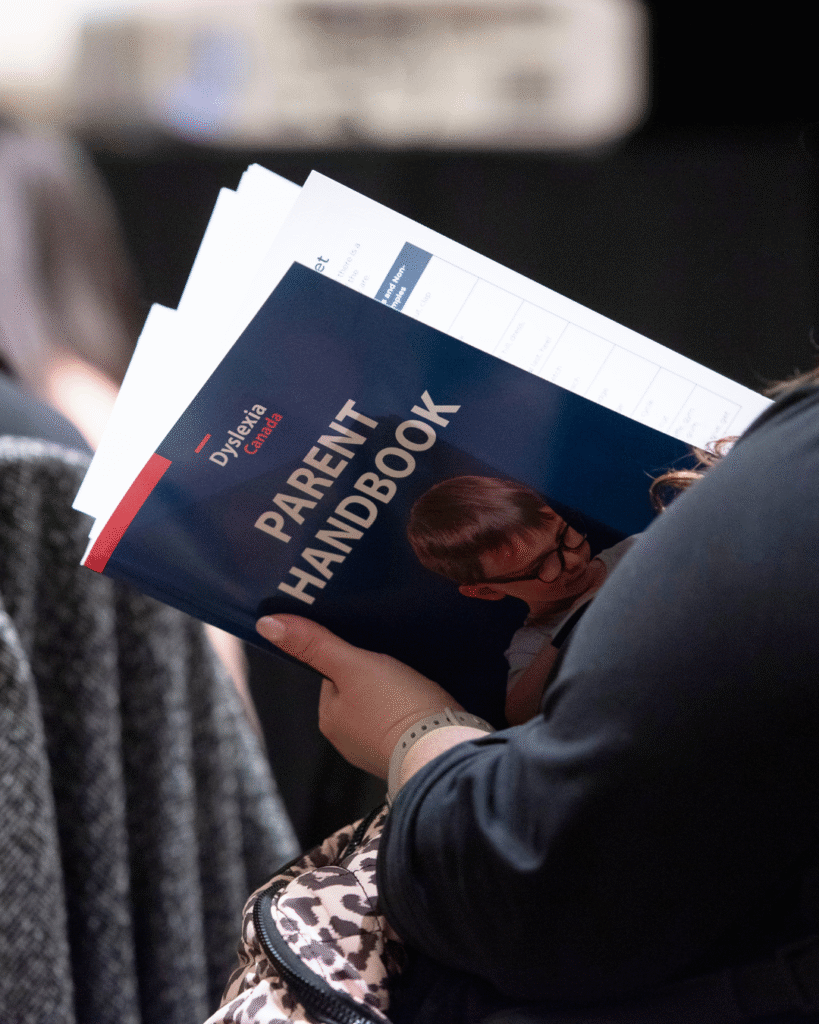
For detailed questions and tips on what to look for in the answers, download the free Dyslexia Canada Parent Handbook. The section below provides some general guidance, and you can get further support with this by reaching out to Dyslexia Compass.
Tutor training
There are many different commercial programs and approaches that fall under the structured literacy umbrella.
If you are considering hiring a tutor, it’s important to understand their training. There are organizations that certify structured literacy tutors, including the Center for Effective Reading Instruction or the Orton-Gillingham Academy. Each of these organizations has their own training and certification process, and some have different levels of certification depending on the extent of training. Before hiring a tutor, ask about the type and level of training they’ve received. If they claim to have training with a specific organization, you can often look them up on their certifying body’s website to confirm.
Tutoring programs
Some tutors use structured literacy programs. These programs are published resources that provide lesson plans and practice materials following a structured literacy approach. Though some programs are fully scripted, training is still necessary to ensure the program is delivered correctly. While programs are less flexible than using a general structured literacy approach, many have strong research to show they are effective. Examples of structured literacy programs include Barton, Wilson, SRA Corrective Reading, Lindamood-Bell Phoneme Sequencing Program, REWARDS, and SPIRE.
Ensuring you are getting good value from tutoring
When working with a tutor, the same principles that apply to effective school-based intervention also apply here. A good tutor should:
Use reliable assessment tools to understand your child’s specific needs and plan targeted instruction
Set an ambitious but achievable goal for your child’s progress
Provide regular progress monitoring so you can see if your child is on track to meet that goal on time
Do not settle for vague updates like “they’re doing better” or “they seem more confident.” Insist on clear, objective data about what skills your child has mastered and what still needs work. This ensures you can make informed decisions, adjust the plan if needed, and feel confident that your investment in tutoring is truly helping your child.
Layering support
Tutoring is often limited to just a few hours per week. For most children with dyslexia, this is not enough instruction and practice on its own. That’s why it is essential to think in terms of layered support, a team approach where the tutor, school, and family work together to maximize progress.
Some tutors claim that children should not be in a school-based intervention program while also receiving private tutoring because it might be “confusing.” In reality, children receiving tutoring will likely make stronger gains when also receiving structured literacy instruction and intervention at school. What matters most is that the adults supporting the child, including parents, teachers, and tutors, align their strategies and language so that the instruction is consistent across settings. The best tutors are those who collaborate with the school team to ensure everyone is on the same page, reinforcing the same skills and using the same terms.